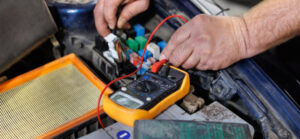
Modern cars use smart safety features every day to help keep drivers safe. When windshield cameras and radar units slip out of alignment, quick electronic tweaks get everything driving straight and stable again. Apex AutoTech Programming & Performance provides clear solutions to keep these digital systems working properly on every drive. Accurate ADAS Recalibration ensures every camera and sensor reads the road correctly without error. Without detailed vehicle checks, small electronic errors can cause active safety features to misbehave and react slowly on busy city highways.
Identify System Faults Before ADAS Recalibration
Modern cars use complex electronic setups to keep tabs on safety features every second you drive. Performing a comprehensive diagnostic scan uncovers hidden module errors well before any technician starts adjusting camera angles. Locating active trouble codes early stops minor electrical quirks from messing up critical safety hardware during daily commutes. Specialized diagnostic gear lets auto techs pull deep fault logs stored inside central computer units.
Resolving these internal errors first makes every technical tweak go smoothly during routine maintenance calls. Turning to Auto Programming and Diagnostics in Rowlett, TX ensures your car receives thorough computer testing before any physical adjustments happen.
Check Vehicle Sensors Before ADAS Recalibration
Front cameras, side radar units, and bumper sensors constantly scan the road while you drive. A cracked bracket or loose mount throws off sensor measurements instantly, causing lane assist and auto-braking to misread traffic. Comprehensive diagnostic scans test whether each component sends clean signals to the central vehicle computer. Inspecting physical alignment alongside overall electronic health keeps all safety features fully functional at all times.
Performing a complete pre-check before ADAS Recalibration leads directly to stable system performance, ensuring drivers remain completely protected on long trips. Catching bent brackets or dirty lenses prior to setup saves hours of troubleshooting down the road and guarantees your driver assistance features respond instantly during highway emergencies.
Detect Warning Codes Through Vehicle Diagnostics
Dashboard warning lights point directly to underlying electronic errors within complex vehicle modules. Comprehensive scanning tools pull specific fault logs from vehicle control units to highlight exact electronic concerns. Resolving active trouble codes prevents recalibration tools from encountering unexpected communication interruptions during service routines. Technicians resolve underlying electrical issues before attempting sensor adjustments to maintain overall system integrity.
Clear diagnostic reports build absolute confidence in complete vehicle safety and long-term driving balance. If your vehicle experiences a powertrain problem, checking electronic codes first helps clear up underlying engine issues. Resolving these central electronic issues ensures that engine management and safety modules communicate smoothly across all vehicle channels.
Verify Camera And Radar System Conditions
Clear lines of sight allow visual sensors to monitor surrounding traffic effectively during daily commutes. Scanners test whether cameras see clearly and radar beams reach their proper range under normal conditions. Built-up dirt, glass cracks, or loose bumper panels quickly throw off radar readings and weaken safety responses. Finding these physical and digital obstacles early prevents system failure on busy highways when quick reactions matter most. Detailed system verification guarantees correct operation under all driving conditions, providing peace of mind for every passenger.
Find Alignment Issues Affecting ADAS Recalibration
Correct wheel alignment directly impacts how forward-facing cameras read highway lanes while cruising at speed. Apex AutoTech Programming & Performance examines chassis positioning to ensure physical sensors point in the precise direction required by manufacturers. Auto Programming and Diagnostics in Rowlett, TX delivers full system evaluation so every component aligns with central steering positioning. Getting the physical hardware aligned properly creates a dependable foundation for digital calibration, which prevents annoying dashboard errors across all kinds of roads.
Use Diagnostic Data To Guide ADAS Recalibration
Real-time diagnostic measurements tell technicians exact positioning details for every safety component installed on the vehicle. Getting targets and positioning equipment set up correctly takes real-time data straight from the car’s computer. AAA’s ADAS sensor calibration guide explains how diagnostic scan tools can support ADAS calibration and help verify that vehicle control systems are communicating properly. Tracking live feedback during adjustment routines stops alignment mistakes in their tracks and speeds up service. Clear computer readings guide techs through the whole setup process without guesswork. Techs dial in every sensor setting using live parameters, ensuring your safety features react instantly when you drive.
Confirm Electronic System Communication
Modern vehicles rely on multiple computer networks sharing constant data streams during everyday operation. Comprehensive diagnostic scans verify that safety controllers talk to braking and steering systems without any delay. Apex AutoTech Programming & Performance verifies communication channels across all vehicle modules before completing final checks. When car computers talk to each other without lag, emergency brakes and lane assist trigger instantly to keep you safe during sudden highway stops.
Test Functions After ADAS Recalibration
Completing the setup process requires final testing under active operating conditions to ensure complete success. Post-scan diagnostics verify that zero fault codes remain active inside system memory before vehicle delivery. Our experts check every feature to confirm optimal vehicle health before returning keys to drivers.
- Check sensor response: Technicians verify real-time digital signals during controlled driving tests to confirm accurate object detection across all speeds and road environments.
- Verify safety features: Technicians double-check emergency braking and lane assist controls to make sure these systems engage smoothly when needed.
- Final diagnostic check: Performing a final system scan after driving proves that the onboard computers stayed completely clean and error-free.
Support Accurate ADAS Performance With Diagnostics
Routine vehicle scans ensure that driver assistance features function with maximum accuracy. Diagnostic evaluation detects subtle electronic variations before they impact active safety responses on the highway. Performing a thorough ADAS Recalibration allows technicians to check live computer data and align safety sensors back to exact shop standards. Running diagnostic scans alongside calibration work keeps road monitoring sharp and automated braking dependable. These detailed computer reports reveal hidden electrical errors early on, preventing unexpected safety system crashes and keeping cars dependable across all kinds of weather and roads.
Conclusion
Troubleshooting vehicle electronics starts with getting the right data straight from the onboard computer. Scans help technicians find buried electrical errors, verify signal paths, and make sure sensors line up correctly. Linking routine digital diagnostics with calibration work prevents unexpected safety failures on open roads. Apex AutoTech Programming & Performance takes the guesswork out of maintaining smart car tech. Reach out and contact us today to book your service.
FAQs
How Do Initial Diagnostic Checks Help Safety Adjustments Succeed?
Initial scans locate hidden electrical faults and clear active error codes across control modules. Removing digital errors prevents setting failures during camera and radar alignment routines.
Can Physical Wheel Alignment Affect Camera Adjustments?
Proper wheel alignment ensures forward cameras point parallel to the actual direction of travel. Correcting chassis angles prevents lane deviation errors while using automated driving assistance features.
Why Are Post-Calibration Diagnostic Scans Necessary For Vehicles?
Post-calibration checks confirm that all digital controllers communicate cleanly after system adjustments. Running a final diagnostic scan verifies that safety features operate without logging new trouble codes.